
Preventing Pool Leaks: Maintenance Tips That Save Money
A backyard swimming pool is a major investment that brings comfort, recreation, and added property value. However, even the most carefully constructed pool can develop leaks over time. Small cracks, worn seals, or hidden plumbing issues may begin as minor inconveniences but can quickly escalate into costly structural damage. Preventive maintenance is the key to protecting your investment and avoiding expensive repairs.
Understanding how to monitor your pool and respond quickly when something seems off can significantly reduce long-term expenses. Consistent attention combined with timely swimming pool leak detection and repair helps maintain structural integrity, preserve water levels, and prevent landscape damage. This guide explains how to identify leaks, what causes them, how often to check for problems, and when professional help becomes necessary.
How Do I Know if My Pool Is Leaking?
Recognizing the early signs of a leak can save you substantial time and money. While some water loss is expected due to evaporation, excessive or rapid drops in water level may indicate a problem that requires swimming pool leak detection repair. In most climates, normal evaporation accounts for roughly one-quarter to one-half inch of water loss per day. Anything beyond that may signal a leak.
One simple method for identifying abnormal water loss is the bucket test. By placing a bucket filled with pool water on a step and comparing the water level inside the bucket to the surrounding pool water after 24 hours, you can determine whether the pool is losing water faster than normal evaporation would allow.
Other warning signs include cracks forming in the pool shell, loose tiles, damp spots around the pool deck, air bubbles coming through return jets, or an unexplained spike in your water bill. You may also notice that you need to add chemicals more frequently because fresh water constantly dilutes the chemical balance. If these symptoms appear, early swimming pool leak detection and repair can prevent more extensive damage to the structure and surrounding soil.
What Are the Most Common Causes of Pool Leaks?
Pool leaks typically originate from structural weaknesses, plumbing failures, or equipment wear. Concrete pools may develop hairline cracks due to ground movement, temperature fluctuations, or natural settling over time. Vinyl liner pools are vulnerable to punctures, seam separation, or material deterioration as they age. Fiberglass pools can experience stress fractures if the supporting soil shifts.
Plumbing systems are another common source of leaks. Underground pipes may crack because of soil movement or tree root intrusion. Joints can loosen, and fittings can degrade after years of exposure to water pressure and chemicals. Even small plumbing leaks can require professional swimming pool leak detection and repair because locating the precise source beneath concrete or soil is often challenging.
Skimmers, main drains, and return fittings also present potential weak points. The bond between the skimmer and the pool wall can separate over time, allowing water to escape behind the shell. Equipment pad components such as pumps, filters, and heaters may leak due to worn seals or cracked housings. Without proper inspection, these issues can go unnoticed for extended periods.
Environmental factors also contribute. Improper winterization in colder climates can cause frozen water inside pipes to expand and crack plumbing lines. Neglected maintenance accelerates wear, increasing the likelihood that professional swimming pool leak detection repair will eventually be needed.
How Often Should I Check My Pool for Leaks?
Routine inspection is one of the most cost-effective preventive measures. During swim season, homeowners should visually inspect the pool weekly. Monitoring the water level, checking for visible cracks, and examining equipment for moisture or drips helps catch potential problems early.
A more thorough evaluation, such as performing a bucket test, can be conducted monthly. Seasonal inspections are also important, particularly at the beginning and end of the swimming season. These checkups should include reviewing plumbing connections, inspecting the pool surface, and ensuring fittings remain sealed and secure.
Annual professional inspections can further reduce the risk of hidden damage. Even if no visible issues exist, subtle leaks may be developing behind walls or underground. Early swimming pool leak detection repair minimizes long-term costs and prevents structural complications.
Financially, prompt action makes a significant difference. According to Bob Vila, swimming pool leak repairs generally cost between $10 and $3,500, depending on factors such as pool type, liner material, leak location, detection method, labor, and whether additional repairs or refilling are necessary. Addressing leaks early often keeps costs toward the lower end of that range, while delayed repairs can become significantly more expensive.
Can I Repair a Pool Leak Myself, or Should I Hire a Professional?
Some minor issues can be addressed by experienced homeowners. Small vinyl liner punctures above the waterline may be temporarily patched using specialized repair kits. Surface cracks in plaster can sometimes be sealed with waterproof epoxy compounds designed for pool use.
However, many leaks are not visible or accessible without specialized equipment. Plumbing leaks beneath concrete decking or underground piping systems are rarely suitable for DIY repair. Attempting to locate these leaks without proper tools may lead to unnecessary demolition or incomplete fixes.
Professional swimming pool leak detection and repair services rely on advanced diagnostic techniques to accurately identify leak locations. Experts can distinguish between structural and plumbing issues, ensuring that repairs address the root cause rather than just the visible symptoms. In many cases, hiring a professional ultimately reduces overall expenses by preventing repeated trial-and-error repairs.
There is also the matter of long-term durability. Improper repairs may compromise the structural integrity of the pool or void manufacturer warranties. When leaks involve structural cracks below the waterline or complex plumbing systems, professional swimming pool leak detection and repair provides the most reliable outcome.
What Tools and Methods Are Used for Pool Leak Detection?
Modern leak detection methods have significantly improved accuracy while minimizing property disruption. One commonly used technique is dye testing. A small amount of dye is released near suspected cracks or fittings while the water remains still. If a leak is present, the dye will flow toward the opening, revealing its location.
Pressure testing is frequently used for plumbing lines. By isolating sections of pipe and introducing controlled air or water pressure, technicians can determine whether pressure loss occurs. This method identifies hidden plumbing leaks without the need for extensive excavation.
Electronic listening devices and ground microphones allow specialists to detect the sound of escaping water beneath concrete or soil. These sensitive tools amplify subtle noises that would otherwise go unnoticed. In more advanced cases, ultrasonic detection equipment enhances accuracy during swimming pool leak detection and repair by pinpointing leaks in complex systems.
Preventive Maintenance Strategies That Reduce Leak Risk
Preventive care significantly reduces the need for extensive swimming pool leak detection and repair. Maintaining proper water chemistry is essential because unbalanced pH or calcium levels can weaken plaster surfaces and corrode metal components. Routine cleaning removes debris that could damage liners or obstruct drains.
Regularly inspecting seals, gaskets, and fittings ensures that small problems are addressed before they escalate. Replacing worn parts proactively is far less expensive than repairing structural damage caused by prolonged leaks.
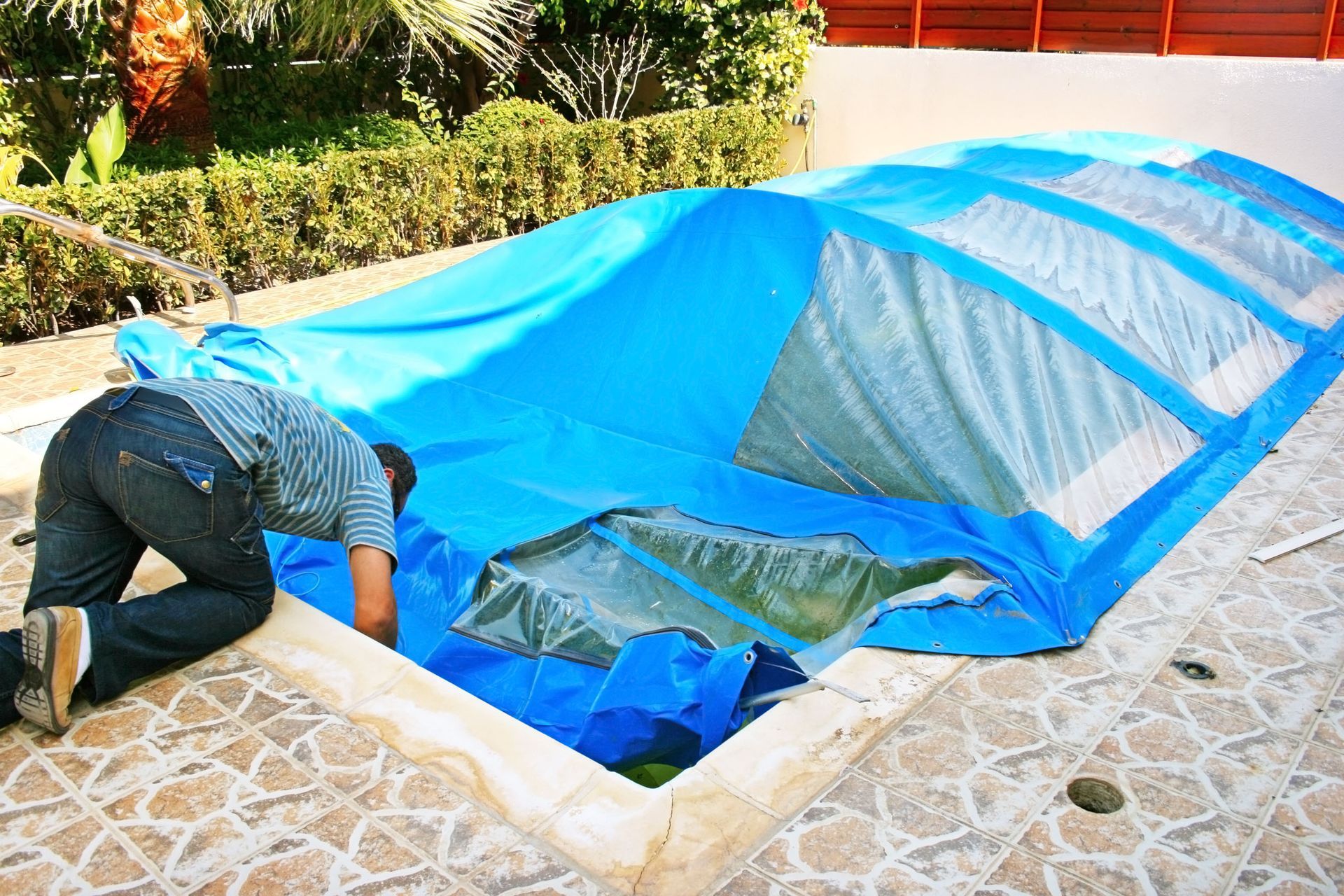
Proper winterization is equally critical in colder climates. Ensuring that plumbing lines are fully drained and protected prevents freeze-related cracks. Avoiding unnecessary draining of the pool also helps maintain consistent structural pressure, reducing stress on the shell.
By combining vigilant monitoring with seasonal maintenance, pool owners can greatly decrease the likelihood of unexpected leaks and the need for major
swimming pool leak detection repair.
Preventing pool leaks begins with awareness and consistent care. Regular inspections, balanced water chemistry, and early intervention protect both your pool and your finances. When warning signs appear, prompt swimming pool leak detection and repair prevent minor issues from becoming major structural problems.
With proactive maintenance and informed decision-making, you can extend the life of your swimming pool, control repair costs, and enjoy a safe, reliable backyard retreat for years to come. If you need pool repairs, reach out to the professionals at Duck Duck Leak Detection today!



Share On: